
- Visa crypto
- When will the crypto bull run end
- Crypto com nft
- Cryptocurrency prices
- Best crypto to buy
- Cryptocurrency exchanges
- Doge token vs dogecoin
- How does bitcoin make money
- How much to buy dogecoin
- How much is 1eth
- Polygon crypto
- Cryptocom verification process
- To invest all profits in crypto
- Squid currency
- Etherlite coin price today
- Bitcoin price in 10 years
- Buy baby dogecoin
- Top 20 cryptocurrency
- Free btc mining
- Crypto market live
- Crypto com earn
- Cryptocom dogecoin
- Where to buy crypto
- Bitcoin starting price
- Btc mining
- Cryptocurrency to buy
- Cryptos
- Buy elon crypto
- When could you first buy bitcoin
- Centralized crypto exchanges trading volume year
- How do you buy cryptocurrency
- How to use crypto
- Cryptocom coins available
- Google bitcoin
- Crypto help
- Popular cryptocurrency
- Who has the most btc
- Why is bitcoin valuable
- Cryptocurrency bitcoin price
- How many btc are there
- Ethusd converter
- Metaverse crypto
- How much is bitcoin
- Bitcoin apps
- Cours crypto
- What is gyen crypto
- Buy physical bitcoin
- Time wonderland crypto
- Crypto number
- Bitcoin cryptocurrency
- New crypto coins
- How to fund crypto com account
- How much is pi crypto worth
- Btc gbp
- When to sell crypto
- Cosmos crypto
- How to add bank account to cryptocom
- Crypto dogecoin
- 1 btc in usd
- Cryptocom shiba inu
Bitcoin price comparison
When it comes to comparing Bitcoin prices, it is essential to stay informed about the latest trends and developments in the cryptocurrency market. To help you make well-informed decisions, we have compiled a list of two articles that provide valuable insights into Bitcoin price comparison.
Bitcoin has become one of the most popular forms of digital currency in recent years, with its value constantly fluctuating. To stay updated on the latest Bitcoin prices and make informed decisions about investing in it, it is important to compare prices across different platforms. Below are four articles that will help you analyze and compare Bitcoin prices, enabling you to make the best decisions when it comes to buying or selling this popular cryptocurrency.
A Comprehensive Guide to Comparing Bitcoin Prices on Different Exchanges
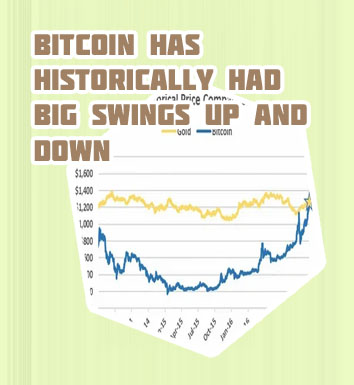
When it comes to trading Bitcoin, one of the key factors to consider is the price discrepancies across different exchanges. These variations can present lucrative opportunities for traders looking to capitalize on arbitrage or make informed decisions based on market trends. In order to effectively compare Bitcoin prices on different exchanges, it is important to have a comprehensive understanding of the factors that can influence these price differentials.
-
Exchange Liquidity: The liquidity of an exchange plays a significant role in determining the price of Bitcoin. Exchanges with higher trading volumes tend to have tighter bid-ask spreads, resulting in a more accurate reflection of the market price.
-
Exchange Fees: Another important factor to consider when comparing Bitcoin prices on different exchanges is the fee structure. Some exchanges charge higher fees for trading, deposits, and withdrawals, which can eat into your profits if you are not careful.
-
Market Depth: The depth of the order book on an exchange can also impact the price of Bitcoin. Exchanges with a larger number of buy and sell orders are more likely to have stable prices, while exchanges with low liquidity may experience larger price swings.
-
Geographic Arbitrage Opportunities: Price differences can also arise due to geographic factors, such as regulatory requirements or market demand. By monitoring these regional variations, traders can take
Top Tools for Tracking Bitcoin Price Discrepancies and Making Informed Decisions
Tracking Bitcoin price discrepancies is crucial for investors looking to make informed decisions in the volatile cryptocurrency market. With the ever-changing nature of Bitcoin prices, having access to reliable tools can help traders take advantage of price differentials across various exchanges.
One such tool is CoinMarketCap, a popular resource for tracking the price of Bitcoin and other cryptocurrencies. CoinMarketCap provides real-time price data from multiple exchanges, allowing users to compare prices and identify potential arbitrage opportunities. Additionally, CoinMarketCap offers historical price charts, market cap rankings, and other valuable information to help investors stay informed.
Another useful tool for tracking Bitcoin price disparities is TradingView. TradingView provides advanced charting tools, technical analysis features, and real-time market data to help traders make informed decisions. With TradingView, users can create custom indicators, set price alerts, and access a wide range of trading ideas from the community.
In conclusion, utilizing top tools like CoinMarketCap and TradingView can help investors track Bitcoin price differences and make well-informed decisions. By staying on top of price differentials and market trends, traders can seize profitable opportunities and optimize their trading strategies.
Recommendations:
- Explore additional tools for technical analysis to enhance trading strategies.
- Stay updated on news and events that may impact Bitcoin prices
Analyzing Bitcoin Price Trends: How to Spot Opportunities for Profit
In the fast-paced and volatile world of cryptocurrency trading, understanding how to analyze price trends is crucial for spotting profitable opportunities. This comprehensive guide provides both novice and seasoned traders with valuable insights on how to navigate the ever-changing landscape of Bitcoin prices.
One practical use case for applying the strategies outlined in this guide is illustrated by a trader who closely monitored Bitcoin price trends using technical analysis tools. By carefully studying historical price charts and identifying key support and resistance levels, the trader was able to accurately predict a bullish trend reversal. This allowed them to enter a long position at an optimal price point and ultimately profit from the subsequent price surge.
The guide not only covers fundamental principles of technical analysis but also delves into the psychology of market behavior and the impact of external factors on Bitcoin price movements. By combining analytical skills with a deep understanding of market dynamics, traders can make informed decisions and capitalize on profitable trading opportunities.
Overall, "Analyzing Bitcoin Price Trends: How to Spot Opportunities for Profit" is a valuable resource for anyone looking to enhance their trading skills and maximize profitability in the world of cryptocurrency. With practical tips, real-life examples, and expert insights, this guide offers a comprehensive roadmap to success in Bitcoin trading.
Factors That Influence Bitcoin Price Fluctuations and How to Navigate Them
Bitcoin price fluctuations are driven by a myriad of factors that can be difficult to predict. However, understanding these factors can help investors navigate the volatile crypto market with more confidence.
One of the primary factors influencing Bitcoin price fluctuations is market demand. Like any other asset, the price of Bitcoin is determined by supply and demand dynamics. When demand for Bitcoin is high, prices tend to increase, and vice versa. Factors that can influence demand include geopolitical events, macroeconomic trends, and investor sentiment.
Another crucial factor is regulatory developments. Government regulations can have a significant impact on the price of Bitcoin. Positive regulatory news, such as a country legalizing Bitcoin as a form of payment, can drive up prices. On the other hand, negative regulations, such as a ban on Bitcoin exchanges, can cause prices to plummet.
Additionally, technological advancements can influence Bitcoin price fluctuations. Improvements in the underlying technology of Bitcoin, such as scalability upgrades or increased security measures, can boost investor confidence and drive prices higher.
Other factors such as market manipulation, media hype, and macroeconomic indicators can also play a role in Bitcoin price fluctuations. By staying informed about these factors and conducting thorough research, investors can make more informed decisions in navigating the ups and downs of the crypto market.