
- Visa crypto
- When will the crypto bull run end
- Crypto com nft
- Cryptocurrency prices
- Best crypto to buy
- Cryptocurrency exchanges
- Doge token vs dogecoin
- How does bitcoin make money
- How much to buy dogecoin
- How much is 1eth
- Polygon crypto
- Cryptocom verification process
- To invest all profits in crypto
- Squid currency
- Etherlite coin price today
- Bitcoin price in 10 years
- Buy baby dogecoin
- Top 20 cryptocurrency
- Free btc mining
- Crypto market live
- Crypto com earn
- Cryptocom dogecoin
- Where to buy crypto
- Bitcoin starting price
- Btc mining
- Cryptocurrency to buy
- Cryptos
- Buy elon crypto
- When could you first buy bitcoin
- Centralized crypto exchanges trading volume year
- How do you buy cryptocurrency
- How to use crypto
- Cryptocom coins available
- Google bitcoin
- Crypto help
- Popular cryptocurrency
- Who has the most btc
- Why is bitcoin valuable
- Cryptocurrency bitcoin price
- How many btc are there
- Ethusd converter
- Metaverse crypto
- How much is bitcoin
- Bitcoin apps
- Cours crypto
- What is gyen crypto
- Buy physical bitcoin
- Time wonderland crypto
- Crypto number
- Bitcoin cryptocurrency
- New crypto coins
- How to fund crypto com account
- How much is pi crypto worth
- Btc gbp
- When to sell crypto
- Cosmos crypto
- How to add bank account to cryptocom
- Crypto dogecoin
- 1 btc in usd
- Cryptocom shiba inu
How are bitcoins created
Bitcoin creation is a fascinating process that involves complex algorithms and mining activities. To fully understand how bitcoins are created, it is important to explore various resources that delve into the intricacies of this digital currency. Below are three articles that provide valuable insights into the creation of bitcoins.
Have you ever wondered how bitcoins are created? It's a fascinating process that involves complex algorithms and a decentralized network of computers. To help you better understand this topic, here is a list of 2 articles that will shed light on how bitcoins are created.
The Evolution of Bitcoin Mining: From CPU to ASIC
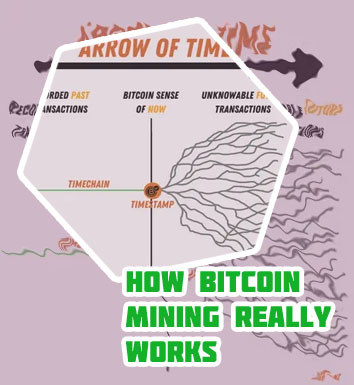
Bitcoin mining has come a long way since its inception in 2009. In the early days, mining was done using regular CPUs, which were quickly replaced by GPUs due to their higher processing power. However, as the popularity of Bitcoin grew, so did the difficulty of mining, leading to the development of more efficient mining hardware.
One of the most significant advancements in Bitcoin mining hardware came in the form of Field-Programmable Gate Arrays (FPGAs). These devices offered a significant improvement in mining efficiency compared to GPUs, allowing miners to increase their mining power while reducing energy consumption.
The next major leap in Bitcoin mining hardware came with the introduction of Application-Specific Integrated Circuits (ASICs). ASICs are custom-built chips designed specifically for mining Bitcoin, offering unmatched processing power and efficiency compared to any other mining hardware.
Today, ASICs have become the standard for Bitcoin mining, with large mining operations investing in massive ASIC farms to stay competitive in the mining industry. These farms are typically located in regions with cheap electricity to minimize operational costs.
Overall, the evolution of Bitcoin mining from CPU to ASIC has revolutionized the industry, making it more efficient and profitable for miners. As technology continues to advance, it will be interesting to see what the future holds for Bitcoin mining and
Understanding the Role of Miners in Bitcoin Creation
Bitcoin, the most popular cryptocurrency in the world, operates on a decentralized network where transactions are verified by miners. These miners play a crucial role in ensuring the security and smooth functioning of the Bitcoin network.
Miners are responsible for solving complex mathematical puzzles to validate transactions and add them to the blockchain. In return for their efforts, miners are rewarded with newly minted bitcoins, as well as transaction fees. This process is known as "mining" and requires powerful computers and specialized equipment.
One practical use case of miners in Bitcoin creation is exemplified by the positive impact they have on the network's efficiency and security. By dedicating their computational power to solving mathematical puzzles, miners help maintain the integrity of the blockchain and prevent double-spending attacks. This, in turn, reinforces trust in the Bitcoin network and promotes its adoption among users and investors.
In conclusion, understanding the role of miners in Bitcoin creation is essential for grasping the mechanics of this groundbreaking technology. Their contributions not only incentivize network participation but also ensure the reliability and security of transactions. As Bitcoin continues to evolve and gain mainstream acceptance, miners will remain at the forefront of its development, driving innovation and progress in the world of cryptocurrency.